How to Predict Market Fluctuations in Forex

Predicting market fluctuations in forex trading is crucial for anyone looking to succeed in the highly volatile and dynamic world of currency trading. Understanding the factors that influence forex markets and learning how to anticipate changes can help traders make informed decisions, minimize risks, and maximize profits. This article delves into the key elements of predicting market movements in forex, offering insights and strategies that can help traders navigate the complexities of currency exchange.
The Importance of Market Analysis
Market analysis is the foundation of predicting forex market fluctuations. There are two primary types of analysis that traders use: technical analysis and fundamental analysis. Both approaches offer valuable insights into market behavior and can be used together to provide a more comprehensive understanding of potential market movements.
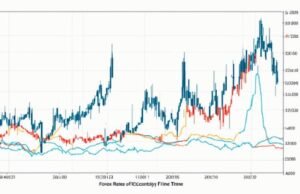
Technical analysis focuses on historical price data and uses charts and indicators to identify patterns and trends. Traders rely on technical analysis to forecast future price movements based on past performance. By studying price charts, traders can spot trends, reversals, and other key signals that indicate potential market fluctuations. Tools like moving averages, support and resistance levels, and oscillators are commonly used in technical analysis to predict market behavior.
On the other hand, fundamental analysis examines the economic, political, and social factors that influence currency values. This approach considers factors such as interest rates, inflation, employment data, and geopolitical events. Fundamental analysis helps traders understand the underlying forces driving currency movements, providing insights into long-term trends and potential market shifts. By staying informed about global economic conditions and key events, traders can anticipate how these factors might impact currency pairs and adjust their trading strategies accordingly.
The Role of Economic Indicators
Economic indicators play a vital role in predicting market fluctuations in forex. These indicators provide valuable information about a country’s economic health and can influence currency values. Traders closely monitor various economic indicators to gain insights into potential market movements and make informed decisions.
One of the most important economic indicators is the interest rate. Central banks use interest rates to control inflation and stabilize their economies. When a central bank raises interest rates, it can attract foreign investment, leading to an appreciation of the country’s currency. Conversely, lower interest rates may result in a weaker currency. Traders often anticipate changes in interest rates by analyzing central bank announcements, economic data, and market sentiment.
Another key economic indicator is the Gross Domestic Product (GDP). GDP measures a country’s economic output and is a strong indicator of its overall economic health. A growing GDP usually leads to a stronger currency, while a declining GDP can weaken the currency. Traders use GDP data to assess the strength of an economy and predict how it might affect currency values.
Inflation is another crucial factor that can influence currency markets. High inflation can erode the purchasing power of a currency, leading to depreciation. Central banks may respond to high inflation by raising interest rates, which can strengthen the currency. Traders keep a close eye on inflation reports to gauge potential market movements and adjust their trading strategies accordingly.
The Impact of Geopolitical Events
Geopolitical events can have a significant impact on forex markets, often leading to sharp and unexpected fluctuations. Political instability, elections, trade wars, and conflicts can all influence currency values. Traders must stay informed about global events and understand how they might affect currency markets.
For example, political uncertainty in a country can lead to a loss of confidence in its currency, causing it to depreciate. Conversely, positive political developments, such as a new trade agreement or peace deal, can strengthen a currency. Traders who can anticipate the outcome of geopolitical events and their potential impact on currency markets can gain a competitive edge in forex trading.
Geopolitical risks are often difficult to predict, but traders can mitigate some of this uncertainty by staying informed through news sources, analyzing historical data, and understanding the potential impact of global events on currency pairs. By doing so, traders can better position themselves to capitalize on market movements driven by geopolitical factors.
The Role of Market Sentiment
Market sentiment refers to the overall attitude of traders and investors towards a particular currency or the forex market as a whole. Market sentiment can be influenced by a variety of factors, including economic data, news events, and market trends. Understanding market sentiment is essential for predicting market fluctuations, as it often drives price movements.
Traders can gauge market sentiment by analyzing market trends, news reports, and social media. When market sentiment is positive, traders are generally more willing to take risks, leading to an increase in buying activity and potentially driving up currency prices. Conversely, negative sentiment can lead to selling pressure and a decline in currency values.
One way to measure market sentiment is through sentiment indicators, such as the Commitment of Traders (COT) report, which provides insights into the positions of large traders in the market. By understanding market sentiment, traders can anticipate potential market movements and make informed decisions about their trades.
Conclusion
Predicting market fluctuations in forex requires a deep understanding of market analysis, economic indicators, geopolitical events, and market sentiment. By mastering these elements, traders can improve their ability to anticipate market movements, minimize risks, and increase their chances of success in the highly competitive world of forex trading. Staying informed, analyzing data, and adapting to changing market conditions are key to thriving in the dynamic forex market.